Radio, Multi-Function Radio, Emergency Radio AM/FM NOAA Portable Weather Radio
In today's world of ubiquitous smartphones and 5G networks spanning urban and rural areas, many mistakenly believe traditional radios have long faded from daily life. Yet when sudden disasters like earthquakes, typhoons, floods, or blizzards strike—leaving power grids crippled, cell towers offline, and phones rendered useless—a simple, long-lasting, and reliable emergency radio often becomes the sole lifeline connecting survivors to the outside world. It is not merely a retro gadget, but an indispensable piece of critical equipment in modern household emergency preparedness, outdoor safety, and public disaster prevention systems. Using the most basic technology, it safeguards the most precious thing we have: human life.
irreplaceable nature of emergency radios stems primarily from differences in the underlying logic of communication. Mobile communications rely on a triple support system of dense base stations, fiber-optic transmission, and power networks—any disruption in these chains leads to signal loss. In contrast, broadcast signals employ a transmission model characterized by long-range, low-power consumption, and wide coverage. Radio waves—whether FM, AM, or SW—can penetrate rubble and traverse mountains, ensuring stable information reception even in remote mountainous areas, underground spaces, or post-disaster ruins. The national emergency broadcasting system operates on dedicated frequencies around the clock. Immediately after a disaster strikes, it disseminates critical information—including early warnings, rescue instructions, evacuation sites, supply distribution points, and medical assistance—ensuring trapped individuals are no longer isolated from vital updates. Countless disaster response cases demonstrate that during the golden rescue window when power and networks fail, every piece of information transmitted via emergency radios has the potential to save a life and protect a family.
Compared to ordinary radios, the core competitive advantage of professional emergency radios lies in their “reliability under extreme conditions.” Their design is entirely centered around scenarios involving “power outages, network disruptions, and no external assistance.” The most crucial technological breakthrough is the multi-source power supply system. Mainstream models come standard with five power options: hand-crank charging, solar charging, built-in lithium batteries, dry-cell battery compartments, and USB external charging—ensuring “uninterrupted power.” Hand-crank power generation serves as the ultimate safeguard in emergencies. Simply cranking the handle dozens of times per minute powers the device and enables reverse charging for mobile phones, addressing dual power needs for communication and lighting. Solar panels continuously recharge during daylight hours, making them ideal for prolonged power outages in post-disaster environments. The backup dry-cell battery compartment provides a fallback solution for users with limited operational capabilities, such as the elderly or children. This multi-redundant power design ensures the emergency radio remains operational under any circumstances, making it a true “survival tool.”
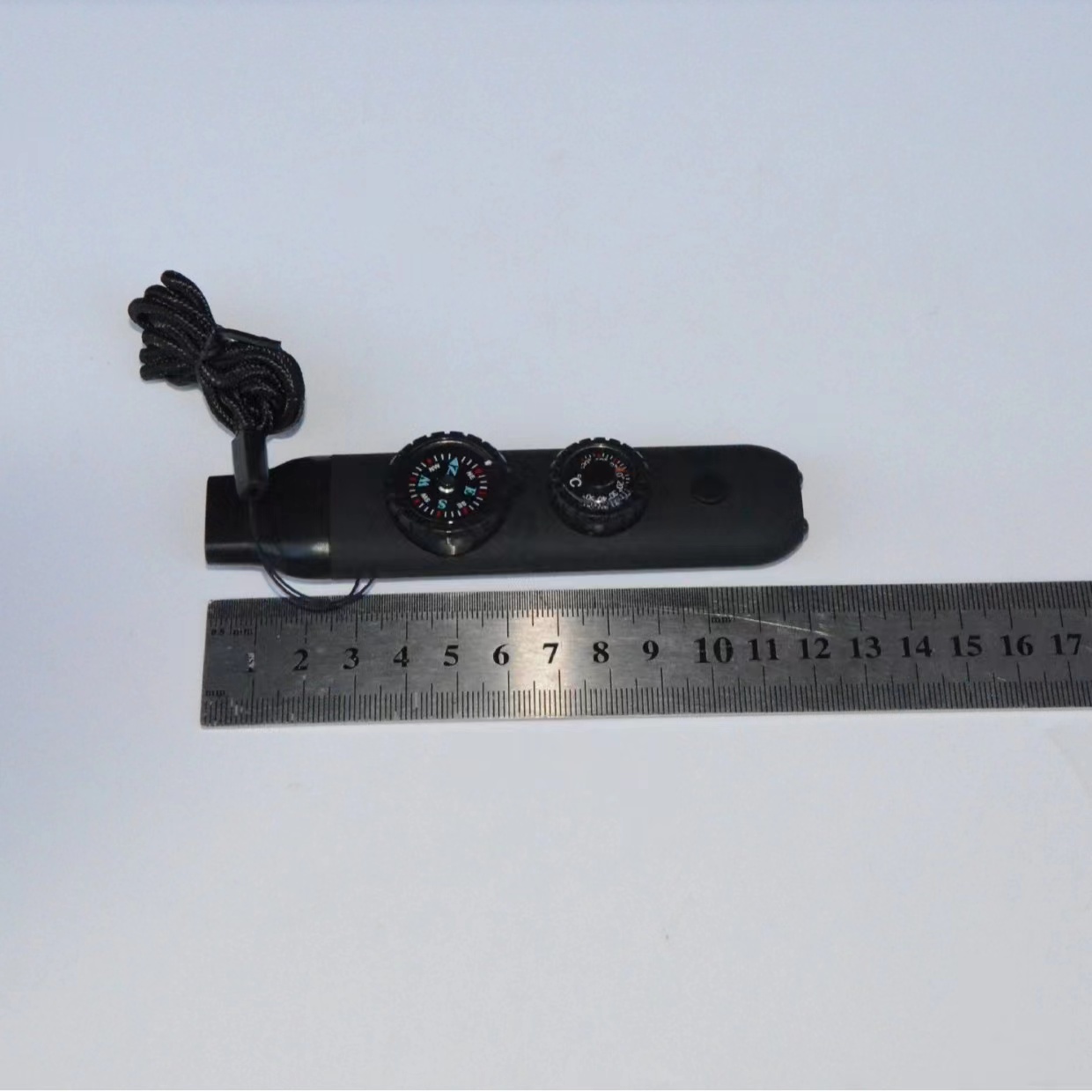
In terms of functionality, emergency radios have long transcended their role as simple receivers, evolving into comprehensive emergency toolkits. Full-band reception is standard: FM covers local urban broadcasts, AM receives long-distance medium-wave signals, and SW shortwave connects to national emergency broadcasts and international rescue channels. Some premium models also feature NOAA weather bands, enabling early warnings for heavy rain, lightning, cold fronts, and other weather events—more precise and reliable than smartphone alerts. Lighting systems are standard features: high-brightness LED flashlights meet nighttime search-and-rescue and route illumination needs, while soft-glow reading lights provide temporary indoor lighting. The SOS distress mode transmits location signals to rescuers via intense strobe flashes and high-decibel alarms, significantly increasing rescue chances when lost in the wilderness or trapped in rubble. Additionally, most models integrate power bank functionality, a compass, and ruggedized, water-resistant casings. With IPX3 or higher waterproof ratings and impact-resistant designs, these devices withstand torrential rain, mud, and drops—truly delivering “durable, rugged, and dependable” performance.
Emergency radios serve three core applications: home, outdoor, and public emergencies, making them essential for nationwide disaster preparedness. In home scenarios, they safeguard vulnerable groups like the elderly, children, and pregnant women. During power outages, they provide illumination; during disasters, they relay critical information. Reverse charging keeps phones operational, while a one-touch SOS alert enables rapid assistance for seniors living alone. Outdoors, hiking, camping, mountaineering, and off-road enthusiasts carry emergency radios to receive weather alerts in signal-free zones and activate distress signals when lost. Addressing the critical needs for lighting, charging, and communication, they become essential safety companions. In public emergency response, communities, schools, enterprises, and rural areas incorporate emergency radios into disaster preparedness supplies. Coordinating with the national emergency broadcast system, they ensure “last-mile” delivery of warning information. During sudden threats like flash floods or geological hazards, they buy precious time for public evacuation and safety.
Daily use and maintenance are crucial to ensuring emergency radios remain reliable and functional during crises. First, regularly check the device's battery level. Fully charge the built-in battery monthly, and store spare dry-cell batteries in a dry, well-ventilated area to prevent leakage and damage. Second, familiarize yourself with the device's operation. Memorize local emergency broadcast frequencies in advance and practice functions like hand-crank charging, SOS alerts, and lighting mode switching to ensure confident operation during disasters. Third, store the emergency radio in easily accessible locations like the family emergency kit, entryway drawer, or vehicle storage compartment. Keep it with supplies such as first-aid kits, drinking water, and emergency rations to form a comprehensive emergency reserve. Fourth, avoid prolonged exposure to direct sunlight, water immersion, or drops. Regularly clean the solar panel and radio antenna to maintain signal reception and charging efficiency.
From an industry perspective, emergency radios are evolving toward miniaturization, intelligence, and specialization. DSP digital noise reduction technology enhances signal clarity, while Beidou short message integration enables precise early warnings. Low-power chips extend battery life, and lightweight designs improve portability. Yet regardless of technological advancements, the core mission of emergency radios remains unchanged: to serve as the most reliable guardian of safety through the most dependable technology. It operates independently of networks, thrives in any environment, and serves all users. It stands silently ready during ordinary days and steps forward in times of crisis, using radio waves to build bridges of life that transcend obstacles.
Disaster prevention and mitigation hinge on preparedness; emergency supplies must be practical and dependable. Though seemingly small, the emergency radio embodies the principle that life comes first. Its technology may appear simple, yet it demonstrates irreplaceable power in the face of disaster. It reminds us that technology's true value lies not only in convenience and entertainment, but in protection and security. Equipping your home with a professional emergency radio is not about anxiety or panic, but about rationality and responsibility; it's not about nostalgia or retro trends, but about reverence and cherishing life.
Faced with unforeseen risks, we cannot prevent disasters from occurring, but we can prepare in advance. An emergency radio—a beam of light, a signal, a glimmer of hope—keeps us connected to the outside world when storms rage, keeping us company with hope, safeguarding the baseline of life, and protecting our families' safety. This is the value of an emergency radio: simple yet steadfast, ordinary yet extraordinary.
Recent Articles